In this article
The short version
Painting a house in Miami comes down to three things the brochure never mentions: humidity, salt air and the fact that almost every house here is concrete block covered in stucco. Get the prep and the timing right for those three, and a good exterior will hold for years. Ignore them, and even expensive paint will chalk, peel or grow mildew within a season or two.
This is a plain guide to what actually matters, written for owners of houses and townhomes in Miami who want the job done once and done right.
Why a Miami house paints differently
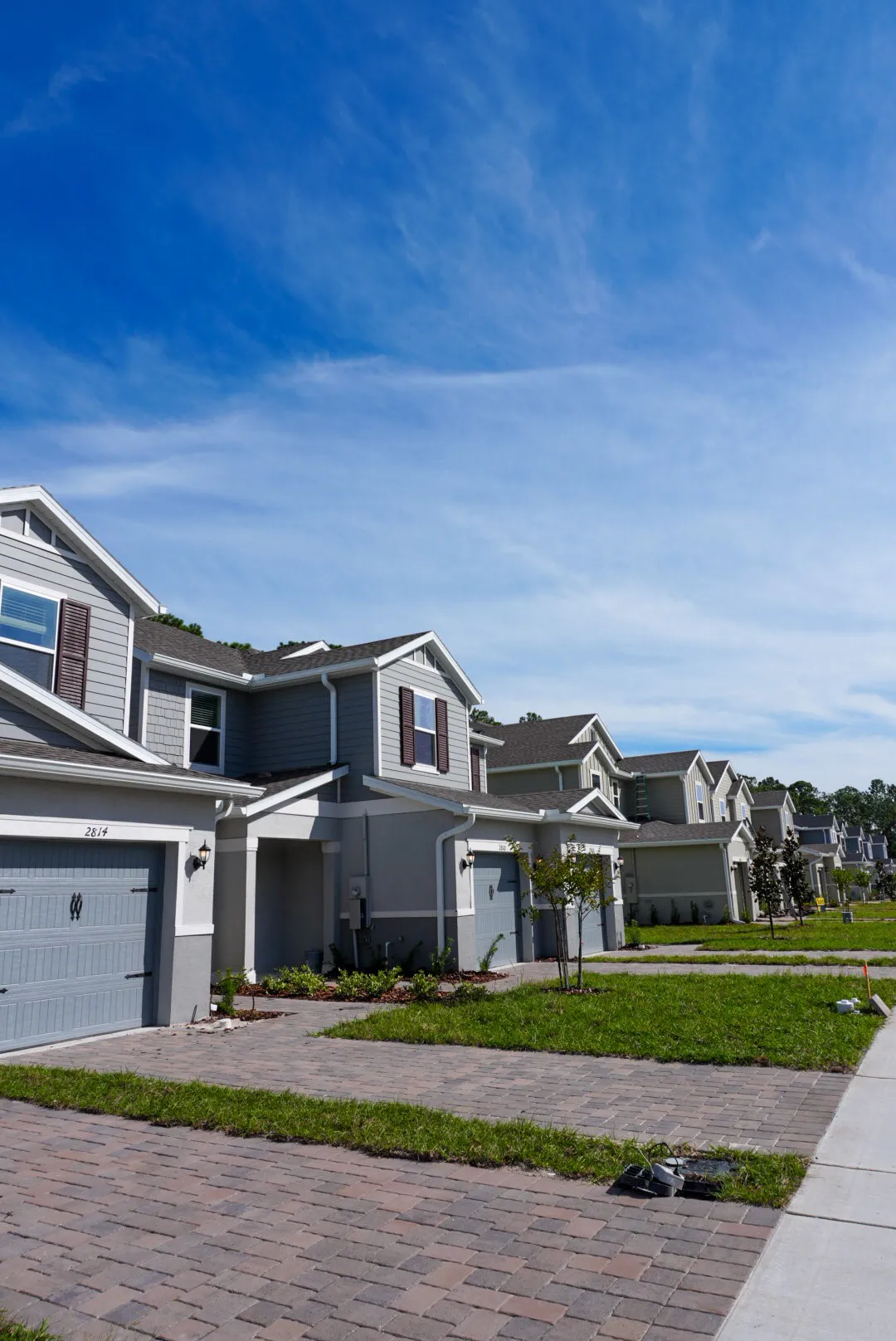
Drive around Miami and you will see the same bones over and over: single family homes and townhomes built from concrete block, finished in stucco, many of them from the 1950s and 1960s. That changes everything about how paint behaves. Paint on masonry does not flex and breathe the way it does on wood siding, and old stucco hides hairline cracks that open up again if they are not addressed before painting.
The neighborhoods tell the rest of the story. A 1920s revival house in Shenandoah, a bayfront home in Morningside and a two story townhome inland near Kendall are three different jobs. The coast adds salt. The older districts add color rules. The inland blocks add relentless sun and sprinkler overspray that keeps the bottom of the walls damp.
Humidity is the real boss of the job
Miami sits in a humid climate most of the year, and moisture is the single biggest reason paint jobs go wrong here. It works against you in three ways:
- Slow drying. Paint needs to release moisture to cure. When the air is already heavy with it, drying slows down, and rushing the next coat traps moisture underneath.
- Mildew. Warm, damp, shaded walls are exactly what mildew likes. It shows up as black or gray speckling, usually on the north side and under trees, and it is the top reason a freshly painted house looks dirty a year later.
- Painting over damp stucco. If a wall still holds moisture from rain, dew or a sprinkler, fresh paint cannot bond properly. This is one of the most common causes of peeling in South Florida.
None of this means you cannot paint in Miami. It means the crew has to respect the moisture: check that walls are dry, start earlier in the day, and give each coat the full time it needs instead of racing the clock. Our exterior painting process is built around that reality, and the exterior painting in Miami page goes deeper on the local prep.
Prep that actually makes paint last
On a Miami exterior, the paint you buy matters less than what happens before the first coat. The work that pays off:
- Wash it down. Pressure washing lifts off salt, dirt, chalk and mildew. It also shows you what is just grime and what is failing paint underneath. Many exterior repaints start here, and we also offer pressure washing on its own.
- Kill the mildew, do not bury it. Mildew gets cleaned off the surface, not painted over. Painting on top of it only hides it for a few weeks.
- Repair the stucco. Hairline cracks get opened, filled and smoothed so water stops getting behind the finish. Skipping this is why cracks keep coming back in the same spots.
- Spot prime bare and patched areas. Fresh stucco patches and bare spots need primer so the topcoat goes on even and bonds for the long haul.
A crew that quotes you a price without talking about any of this is quoting a thinner job than the one you actually need.
Salt air near the water
If your home is near Biscayne Bay or out toward the barrier islands, add salt to the list. Salt air chalks finishes faster and rusts anything metal, from railings to light fixtures. Coastal homes need a more thorough wash before painting and benefit from finishes made to stand up to that exposure. The closer you are to open water, the more often the exterior will want attention.
Color, light and who has to approve it
Miami light is bright and hard, and it reads color differently than a paint chip under store lighting does. A white that looks crisp on a card can glare on a full sun wall, and a bold color can wash out by noon. It is always worth putting a sample on the actual wall and looking at it morning and afternoon before you commit.
Then there is approval, which in parts of Miami takes longer than the painting. Coral Gables reviews exterior colors through its Board of Architects and works from a set palette of Mediterranean Revival earth tones. Many condo associations and HOAs across Miami-Dade also sign off on colors before work begins. Plan for that step early so it does not push your start date. For how this plays out neighborhood by neighborhood, see choosing a painting company in Miami.
Inside the house, humidity still matters
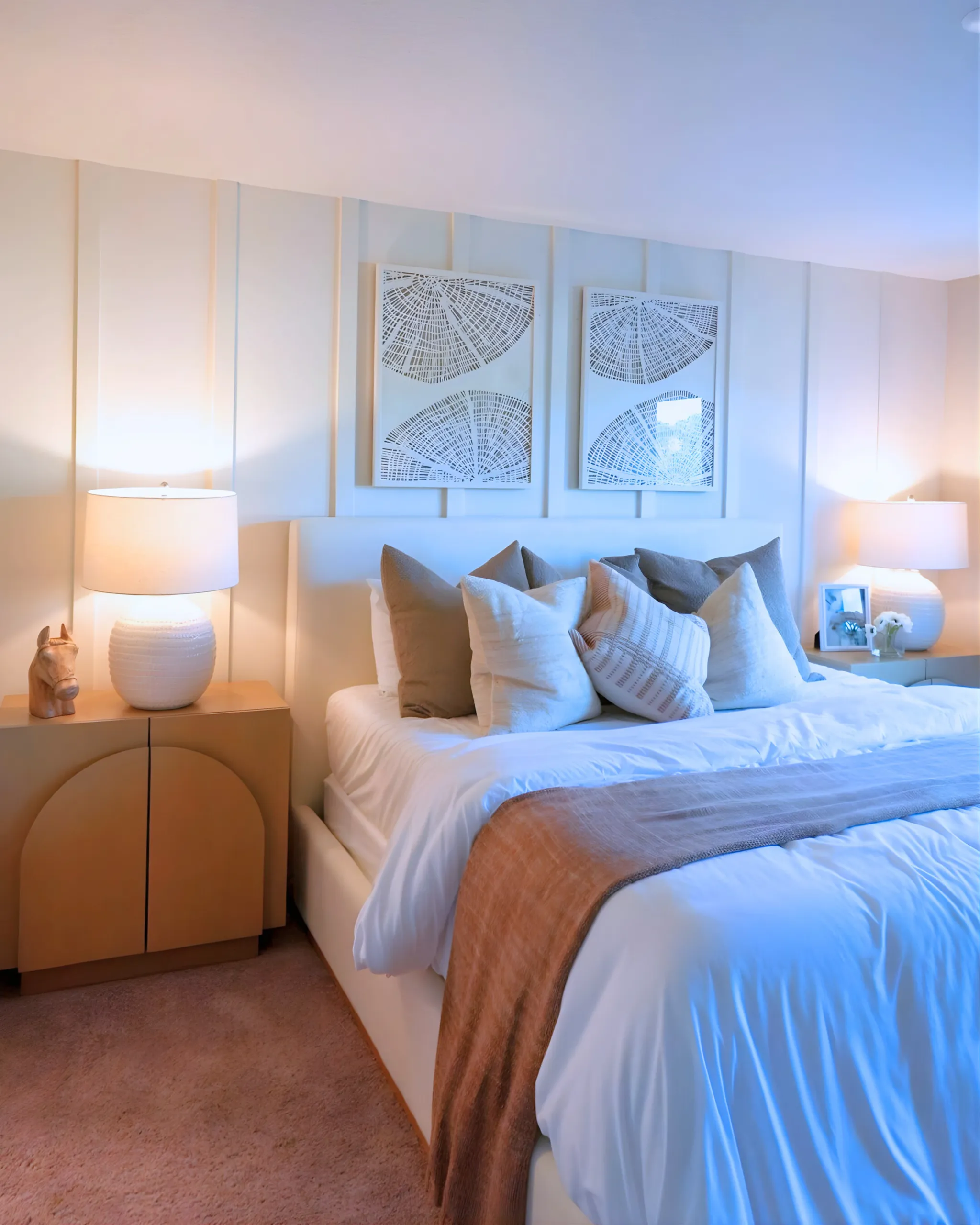
Interior painting in Miami has its own humidity rules. Bathrooms, kitchens and laundry rooms collect moisture, so a finish with some sheen that wipes clean holds up better there than a flat one. Good air conditioning and ventilation while the paint cures make a real difference too. If you are refreshing the inside, our interior painting service covers accent walls, two tone walls and color consultation.
What changes the price, and when to paint
A few things move the number on a Miami house: the size of the home, interior versus exterior, how much stucco repair and mildew cleanup the walls need, and whether it is one color or several. This guide does not put a dollar figure on it, because the only honest number comes from seeing your home. For a breakdown of the factors, our guide on what it costs to paint a house exterior is a good starting point, and the instant estimate gives you a range in about 30 seconds.
On timing, you can paint in Miami any month if the crew works around the weather, but the dry season from roughly November to April is the easier window. We cover that in detail in the best time to paint a house exterior in South Florida.
The bottom line
A house in Miami can hold a beautiful finish for years. It just asks for respect for the climate: clean, dry, well prepped stucco, paint built for heat and moisture, mildew dealt with properly, and colors approved before anyone opens a can. When you are ready, get your instant estimate and we will come look at the house, tell you straight what it needs, and put the price and the schedule in writing.
Want a real number for your project?
Get your price range in about 30 seconds. No pressure, no obligation.